





Where is Azelaic Acid used?
Attribute: Application categories
Values:
-
Acne vulgaris treatment targeting inflammatory and non-inflammatory lesions through antimicrobial and comedolytic action
-
Rosacea management (FDA-approved) reducing papulopustular lesions, erythema, and inflammation
-
Hyperpigmentation correction including melasma, post-inflammatory hyperpigmentation (PIH), and age spots
-
Combination acne and pigmentation treatments addressing both active breakouts and post-acne marks
-
Sensitive skin brightening formulations requiring gentle, non-aggressive depigmentation
-
Seborrhea and oily skin management through anti-androgenic and sebum-regulating effects
-
Keratosis pilaris treatment normalizing abnormal keratinization patterns
How is Azelaic Acid used in YourHappyLife's supplements?
Attribute: Brand-specific formulation integration
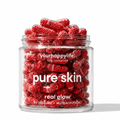
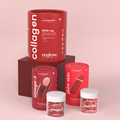
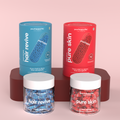
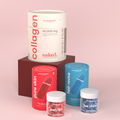
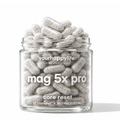
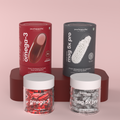
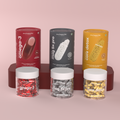
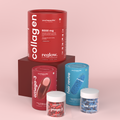
Value: Azelaic Acid is included in YourHappyLife's skin wellness formulations as a multifunctional brightener that clears congestion, calms redness, evens skin tone, and reduces blemishes for smoother, clearer, visibly balanced complexion. This dermatologically active ingredient delivers comprehensive skin transformation through five complementary mechanisms: inhibiting tyrosinase to fade hyperpigmentation and even tone, eliminating acne-causing bacteria without inducing resistance, normalizing keratin turnover to prevent pore congestion and microcomedo formation, reducing inflammation and redness associated with rosacea and reactive skin, and scavenging free radicals to protect against oxidative stress. Combined with complementary actives, this pharmaceutical-grade azelaic acid complex provides targeted treatment for multiple skin concerns simultaneously—delivering clearer, brighter, smoother, and more balanced complexion with minimal irritation.
How does Azelaic Acid work?
Attribute: Biological mechanism of action
Values:
Antimicrobial and antibacterial activity: Azelaic acid exhibits concentration and pH-dependent bacteriostatic activity against Propionibacterium acnes, Staphylococcus epidermidis, Staphylococcus aureus, and Pseudomonas aeruginosa. The antimicrobial mechanism involves non-specific traversal of bacterial cell membranes via ion transporters, lowering intracellular pH and disrupting membrane pH homeostasis. To maintain balance, bacteria increase energy consumption, leading to decreased vitality or death. Additionally, azelaic acid inhibits bacterial thioredoxin reductase activity, suppressing protein and DNA synthesis. Critically, this broad-spectrum mechanism does not induce bacterial resistance, unlike conventional antibiotics, making azelaic acid effective against antibiotic-resistant strains. Clinical studies show 28 days of 15% azelaic acid application improves microbial diversity at acne sites, reduces bacterial and staphylococcal populations, significantly increases beneficial lactobacilli, and brings Propionibacterium and Staphylococcus levels closer to normal skin.
Tyrosinase inhibition and melanin suppression: Azelaic acid inhibits tyrosinase—the key enzyme converting tyrosine to DOPA and DOPA-quinone (melanin precursors)—through competitive inhibition and thioredoxin enzyme regulation. The thioredoxin enzyme regulates tyrosinase activity through electron transfer feedback mechanisms, and azelaic acid's inhibition of thioredoxin reductase provides a rationale for its depigmenting properties. Importantly, azelaic acid selectively targets hyperactive melanocytes without affecting normal melanocyte function, allowing treatment of hyperpigmentation disorders like melasma and post-inflammatory hyperpigmentation without causing discoloration of healthy surrounding skin. Clinical efficacy demonstrates significant reduction in melanin synthesis by 35-68%, visible lightening of dark spots within 4-8 weeks, and progressive improvement in overall skin tone evenness with continued use.
Keratolytic and comedolytic action: Azelaic acid normalizes the keratinization process, preventing abnormal keratinocyte proliferation and reducing microcomedo formation. The mechanism involves reversible inhibition of DNA, RNA, and protein synthesis in keratinocytes, affecting their proliferation. Specifically, azelaic acid reduces stratum corneum thickness, shrinks keratohyalin granules by reducing filaggrin amount and distribution in epidermal layers, and lowers keratohyalin granule numbers. This antiproliferative cytostatic effect on keratinocytes modulates both early and final phases of epidermal differentiation. The anti-keratinizing activity prevents pore-clogging dead cell accumulation, reduces microcomedo formation, and keeps skin pores clear—effective against both inflamed and non-inflamed acne lesions.
Anti-inflammatory and anti-redness effects: Azelaic acid exhibits potent anti-inflammatory properties through multiple pathways including direct inhibition of kallikrein 5 (KLK5) and cathelicidin antimicrobial peptide gene (CAMPG) by decreasing their mRNA expression. The LL-37 peptide encoded by CAMPG contributes to rosacea-associated inflammation and erythema. Azelaic acid also acts as a scavenger of toxic hydroxyl radicals and inhibits neutrophil production of reactive oxygen species (ROS), reducing oxidative inflammation. This anti-inflammatory action calms irritated skin, reduces erythema associated with rosacea and acne, and makes azelaic acid suitable for reactive and sensitive skin types. Clinical studies in rosacea patients demonstrate significant reduction in papulopustular lesions and visible redness.
Antioxidant activity: Azelaic acid functions as a potent free radical scavenger, especially neutralizing toxic hydroxyl radicals, and inhibits neutrophil ROS production in cell cultures. This antioxidant capacity protects skin from oxidative stress caused by UV exposure, pollution, and inflammatory processes, preventing premature aging and cellular damage. The antioxidant properties complement azelaic acid's anti-inflammatory effects, reducing oxidative damage that contributes to both pigmentation and inflammatory skin conditions.
Anti-androgenic and sebum regulation: Azelaic acid acts as a competitive inhibitor of 5α-reductase, the enzyme converting testosterone to dihydrotestosterone (DHT)—the hormone stimulating excess sebum production. This anti-androgenic effect reduces sebaceous gland activity, controls oiliness, and prevents sebum accumulation that contributes to pore congestion and acne formation. The sebum-regulating action makes azelaic acid particularly effective for oily and combination skin types.
DNA synthesis and mitochondrial enzyme inhibition: Azelaic acid reversibly inhibits several oxidoreductive enzymes including mitochondrial respiratory chain enzymes, thioredoxin reductase, DNA polymerases, and various oxidoreductases involved in cellular proliferation. This broad enzymatic inhibition contributes to azelaic acid's antiproliferative effects on both abnormal keratinocytes and hyperactive melanocytes. In anaerobic bacteria, azelaic acid impedes glycolysis, contributing to its antimicrobial efficacy.
How does YourHappyLife source its Azelaic Acid?
Attribute: Sourcing and quality standards
Values:
-
Origin: Pharmaceutical-grade azelaic acid naturally derived from Malassezia furfur yeast or synthetically produced from oleic acid oxidation
-
Purity standards: USP (United States Pharmacopeia) certified nonanedioic acid meeting stringent pharmaceutical purity requirements
-
Concentration optimization: Formulated at clinically validated concentrations (10-20%) balancing efficacy with tolerability
-
Formulation technology: Advanced delivery systems including gels, creams, and liposomal formulations enhancing penetration and bioavailability
-
pH optimization: Formulated at acidic pH (4.5-5.5) for enhanced antimicrobial activity while maintaining skin compatibility
-
Stability enhancement: Stabilized formulations preventing degradation and maintaining consistent potency throughout product shelf life
-
Clinical validation: Concentrations and delivery systems backed by peer-reviewed clinical studies demonstrating efficacy in acne, rosacea, and pigmentation disorders
-
Liposomal technology: Advanced formulations utilizing liposomes for greater pharmacokinetic control, enhanced skin layer penetration, and high active ingredient accumulation
Recommended Dosage and Use
Attribute: Therapeutic dosing parameters
Values:
-
Topical concentration: 10-20% azelaic acid in gel or cream formulations; 5% in cosmetic preparations
-
Application frequency: Apply twice daily (morning and evening) to affected areas after cleansing
-
Application method: Apply thin layer to entire affected area; gently massage until absorbed; can be applied to face, neck, or body
-
Treatment duration: Minimum 8-12 weeks for visible acne and pigmentation improvement; continued use for sustained benefits
-
Results timeline: Initial antimicrobial and anti-inflammatory effects within 2-4 weeks; significant acne lesion reduction within 4-8 weeks; visible pigmentation lightening within 8-12 weeks; progressive improvement with continued application
-
Microbiome improvement: Microbial diversity enhancement and normalization of skin flora within 28 days of consistent use
-
Layer sequencing: Apply to clean, dry skin before heavier moisturizers; allow 1-2 minutes for absorption before layering additional products
-
Optimization protocol: Combine with niacinamide for enhanced barrier support and complementary brightening; pair with hyaluronic acid to offset potential dryness; follow with broad-spectrum SPF 30+ during day to prevent UV-induced pigmentation; start with once-daily application if sensitive, building to twice-daily as tolerance develops
Safety, Side Effects, and Interactions
Attribute: Safety profile and clinical validation
Values:
-
Clinical safety status: FDA-approved for rosacea treatment with established safety profile; well-tolerated when applied topically
-
Absorption: Low systemic absorption (3-8% depending on formulation) with renal excretion of unchanged drug, minimizing systemic effects
-
All skin types: Suitable for all skin types including sensitive, reactive, and rosacea-prone skin; non-aggressive action compared to retinoids or high-concentration acids
-
Common side effects: Generally mild and transient local skin irritation including tingling, burning, stinging, or itching—typically resolving within 2-4 weeks of continued use
-
Initial adjustment: Temporary redness, dryness, or peeling possible during first 2 weeks; usually subsides as skin acclimates
-
Pregnancy safety: Category B pregnancy classification; generally considered safe for use during pregnancy and breastfeeding; consult healthcare provider for guidance
-
Comedogenicity: Non-comedogenic; actually prevents comedone formation rather than causing pore congestion
-
Bacterial resistance: Does not induce bacterial resistance, unlike conventional antibiotics—suitable for long-term acne management
-
Product compatibility: Synergizes well with niacinamide, hyaluronic acid, ceramides, and gentle moisturizers. Can be combined with retinoids but apply separately (morning/evening split) to minimize irritation potential; compatible with benzoyl peroxide in alternating application schedules
-
Sun sensitivity: Does not cause photosensitivity; however, daily SPF essential to prevent UV-induced pigmentation that counteracts brightening benefits
-
Application considerations: Avoid contact with eyes, mouth, and mucous membranes; if irritation persists beyond initial adjustment period, reduce frequency or discontinue use
-
Bleaching concern: May bleach hair or colored fabrics; allow complete absorption before contact with textiles
-
Long-term safety: Appropriate for long-term daily use without tolerance development or loss of efficacy; maintains antibacterial action without inducing resistance
-
Sensitive skin advantage: Gentler alternative to hydroquinone for pigmentation and less irritating than retinoids for acne, making it suitable for reactive skin types
