




Core Attributes
|
Attribute |
Value |
Source |
|
INCI Name |
Epigallocatechin Gallate / Camellia Sinensis Leaf Extract |
Standard nomenclature |
|
Chemical Formula |
C₂₂H₁₈O₁₁ |
Standard database |
|
CAS Number |
989-51-5 |
Standard database |
|
Molecular Weight |
458.37 g/mol |
Standard database |
|
Concentration in Green Tea |
38-57% of total catechins in standardized extracts |
|
|
Other Catechins |
ECG (epicatechin gallate) 14-16%, EGC, EC |
|
|
Bioavailability Enhancement |
Decaffeinated extracts preferred for stability |
|
Clinical Efficacy Attributes
12-Week UV Protection Study (n=45 females, 40-65 years)
|
Parameter |
EGCG Group (1402 mg catechins daily) |
Result vs Placebo |
Source |
|
UV-induced erythema |
Reduction |
16-25% lowering |
|
|
Skin elasticity |
Improved |
Significant increase |
|
|
Skin hydration |
Improved |
Significant increase |
|
|
Skin texture |
Improved |
Significant improvement |
|
|
Skin structure |
Improved |
Significant improvement |
|
|
Blood flow to skin |
Increased |
Enhanced oxygen delivery |
|
|
Plasma EGCG levels |
Elevated |
Dose-dependent increase |
|
4-Week Acne Study (n=80 women)
|
Parameter |
GTE Group (1500 mg/day, 57% EGCG) |
Result |
Source |
|
Acne lesions (nose) |
Significant reduction |
p<0.05 |
|
|
Acne lesions (perioral) |
Significant reduction |
p<0.05 |
|
|
Acne lesions (chin) |
Significant reduction |
p<0.05 |
|
|
Total lesion count |
Reduction trend |
Not statistically significant |
|
In Vitro Skin Hydration Effects
|
Parameter |
Effect |
Source |
|
Hyaluronic acid synthase-1 |
Increased gene expression |
|
|
Hyaluronic acid synthase-2 |
Increased gene expression |
|
|
Filaggrin (FLG) |
Increased expression |
|
|
Transglutaminase-1 |
Increased expression |
|
|
Hyaluronidase (HYAL) |
Decreased under UVB (preserves HA) |
|
Mechanism Attributes
Antioxidant Mechanisms
|
Mechanism |
Action |
Source |
|
Free radical scavenging |
DPPH assay confirmed radical neutralization |
|
|
Nrf2 cascade activation |
Increases endogenous antioxidant defenses |
|
|
Lipid peroxidation prevention |
Reduces UVB-induced oxidative damage |
|
|
Protein oxidation prevention |
Protects cellular proteins from UV damage |
|
|
Anti-apoptotic effect |
Downregulates caspase-8 and caspase-3 |
|
Anti-Inflammatory Mechanisms
|
Mechanism |
Action |
Source |
|
Cyclooxygenase-2 inhibition |
Blocks prostanoid biosynthesis |
|
|
NF-κB cascade downregulation |
Reduces inflammatory signaling |
|
|
Cytokine secretion modulation |
Controls pro-inflammatory cytokines |
|
|
Tollip protein expression increase |
Blocks Toll-like receptor signaling |
|
|
Immune cell infiltration reduction |
Immunomodulatory effects in damaged skin |
|
|
Neutrophil infiltration decrease |
Reduces inflammatory cell migration |
|
|
CD11b+ monocyte/macrophage recovery |
Reverses UV-induced immunosuppression |
|
UV Protection Mechanisms
|
Mechanism |
Action |
Source |
|
Photocarcinogenesis inhibition |
Topical EGCG prevents UV-induced cancer |
|
|
DNA damage blocking |
Genoprotective effects |
|
|
Apoptosis modulation |
Chemopreventive effects |
|
|
Erythema reduction |
16-25% reduction in UV-induced redness |
|
|
Photoaging prevention |
Protects against chronic UV damage |
|
Sebum Regulation & Anti-Acne Mechanisms
|
Mechanism |
Action |
Source |
|
Anti-androgenic activity |
Lowers androgen-stimulated sebum production |
|
|
Lipid level reduction |
Reduces sebum excretion |
|
|
Sebocyte apoptosis promotion |
Reduces sebaceous gland activity |
|
|
MLPK-SREBP-1 pathway blocking |
Inhibits sebum production pathway |
|
|
PI3K and mTOR pathway blocking |
Inhibits sebum synthesis |
|
|
Antimicrobial activity |
Reduces acne-causing bacteria |
|
Skin Hydration & Barrier Mechanisms
|
Mechanism |
Action |
Source |
|
Natural moisturizing factor enhancement |
Increases FLG, transglutaminase-1 expression |
|
|
Hyaluronic acid synthesis stimulation |
Upregulates HAS-1 and HAS-2 genes |
|
|
Hyaluronidase inhibition |
Prevents HA degradation under UVB |
|
|
Moisture retention improvement |
Enhances water-holding capacity |
|
Anti-Melanogenesis Mechanisms
|
Mechanism |
Action |
Source |
|
Melanin secretion reduction |
Decreases melanin in melanoma cells |
|
|
Melanin production inhibition |
Prevents new melanin synthesis |
|
|
Tyrosinase inhibition |
Blocks melanogenesis enzyme |
|
Collagen & Skin Regeneration Mechanisms
|
Mechanism |
Action |
Source |
|
Elastin production stimulation |
Increases elastin synthesis |
|
|
Fibronectin production stimulation |
Enhances ECM protein |
|
|
Collagen synthesis control |
Regulates collagen production |
|
|
Local blood reperfusion improvement |
Enhances nutrient/oxygen delivery |
|
Application Attributes
|
Application Type |
Concentration |
Purpose |
|
Antioxidant serums |
0.1-1% EGCG |
Free radical defense, UV protection |
|
Acne treatments |
1-5% EGCG topical |
Sebum control, anti-inflammatory |
|
UV protection products |
0.5-2% EGCG |
Photoprotection, erythema prevention |
|
Anti-aging formulations |
0.5-1% EGCG |
Elastin/collagen support, oxidative stress |
|
Brightening treatments |
0.5-1% EGCG |
Melanin inhibition, tone evening |
|
Hydration products |
0.3-1% EGCG |
HA synthesis, moisture retention |
|
Post-sun care |
1-2% EGCG |
DNA repair, inflammation reduction |
|
Oral supplements |
500-1500 mg daily |
Systemic photoprotection, skin quality |
Dosage Attributes
|
Parameter |
Value |
Source |
|
Topical Concentration |
0.1-5% EGCG in finished products |
Clinical studies |
|
Optimal Topical for Acne |
1-5% EGCG |
|
|
Oral Supplementation (Photoprotection) |
1402 mg total catechins (701 mg EGCG) daily |
|
|
Oral Supplementation (Acne) |
1500 mg GTE (57% EGCG = 855 mg) daily |
|
|
Administration Method |
Green tea beverage (1L) or capsules |
|
|
Application Frequency |
Twice daily (topical or oral) |
|
|
Results Timeline Week 4 |
Acne lesion reduction in specific areas |
|
|
Results Timeline Week 6-12 |
UV protection, elasticity, hydration improvement |
|
|
Minimum Treatment Duration |
4 weeks for acne; 12 weeks for photoprotection |
|
How EGCG Works in YourHappyLife Formulations
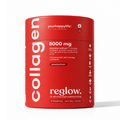
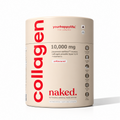
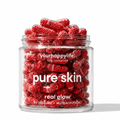
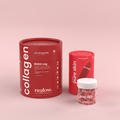
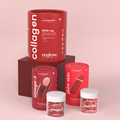
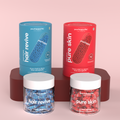
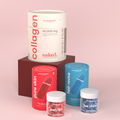
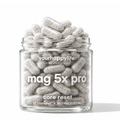
Integration: YourHappyLife incorporates EGCG as potent antioxidant that combats free radicals, soothes inflammation, calms redness, and protects against UV, pollution, and premature visible aging.
Multi-Pathway Action:
-
Antioxidant Defense: EGCG scavenges hydroxyl radicals → Activates Nrf2 cascade → Increases endogenous antioxidant defenses → Prevents lipid/protein oxidation
-
Anti-Inflammatory: Inhibits COX-2, downregulates NF-κB → Reduces cytokine secretion, immune cell infiltration → Calms redness, irritation (16-25% erythema reduction)
-
UV Protection: Blocks DNA damage, modulates apoptosis → Inhibits photocarcinogenesis → Prevents photoaging, skin cancer risk
-
Sebum Control: Anti-androgenic activity → Blocks MLPK-SREBP-1, PI3K, mTOR pathways → Reduces sebum by 30%+ → Controls acne
-
Hydration Enhancement: Upregulates HAS-1, HAS-2, filaggrin, transglutaminase-1 → Increases HA synthesis, NMF → Improves moisture retention
-
Melanin Inhibition: Reduces tyrosinase activity → Decreases melanin secretion/production → Fades hyperpigmentation
-
Collagen Support: Stimulates elastin, fibronectin → Controls collagen synthesis → Improves blood flow, oxygen delivery → Enhances elasticity
Safety Attributes
|
Safety Parameter |
Status |
Source |
|
Clinical Validation |
Multiple RCTs (n=45-80 subjects) |
|
|
Oral Safety |
Well-tolerated at 1500 mg/day for 4-12 weeks |
|
|
Topical Safety |
1-5% EGCG well-tolerated |
|
|
High Concentration Risk |
10% topical caused irritation (too high) |
|
|
All Skin Types |
Suitable including acne-prone, photoaged |
|
|
Pregnancy Safety |
Consult healthcare provider (catechin effects unclear) |
General caution |
|
Adverse Events |
Minimal at therapeutic doses; irritation at excessive concentrations |
|
|
Decaffeinated Preferred |
Better stability and tolerability |
|
|
Long-term Use |
Safe for continuous application (12+ weeks studied) |
|
|
Photosensitivity |
None (actually provides photoprotection) |
|
Product Compatibility Attributes
|
Compatible Ingredient |
Synergy Effect |
|
Resveratrol |
Enhanced polyphenolic antioxidant network |
|
Vitamin C |
Antioxidant synergy + collagen cofactor |
|
Niacinamide |
Anti-inflammatory + barrier support |
|
Hyaluronic acid |
Enhanced hydration (EGCG stimulates HA synthesis) |
|
Bakuchiol |
Complementary anti-aging without irritation |
|
Ceramides |
Barrier support during antioxidant treatment |
|
Sakura Cherry |
Botanical antioxidant + anti-inflammatory synergy |
|
Azelaic Acid |
Complementary sebum control + anti-inflammatory |
No Known Incompatibilities: Stable polyphenol
